
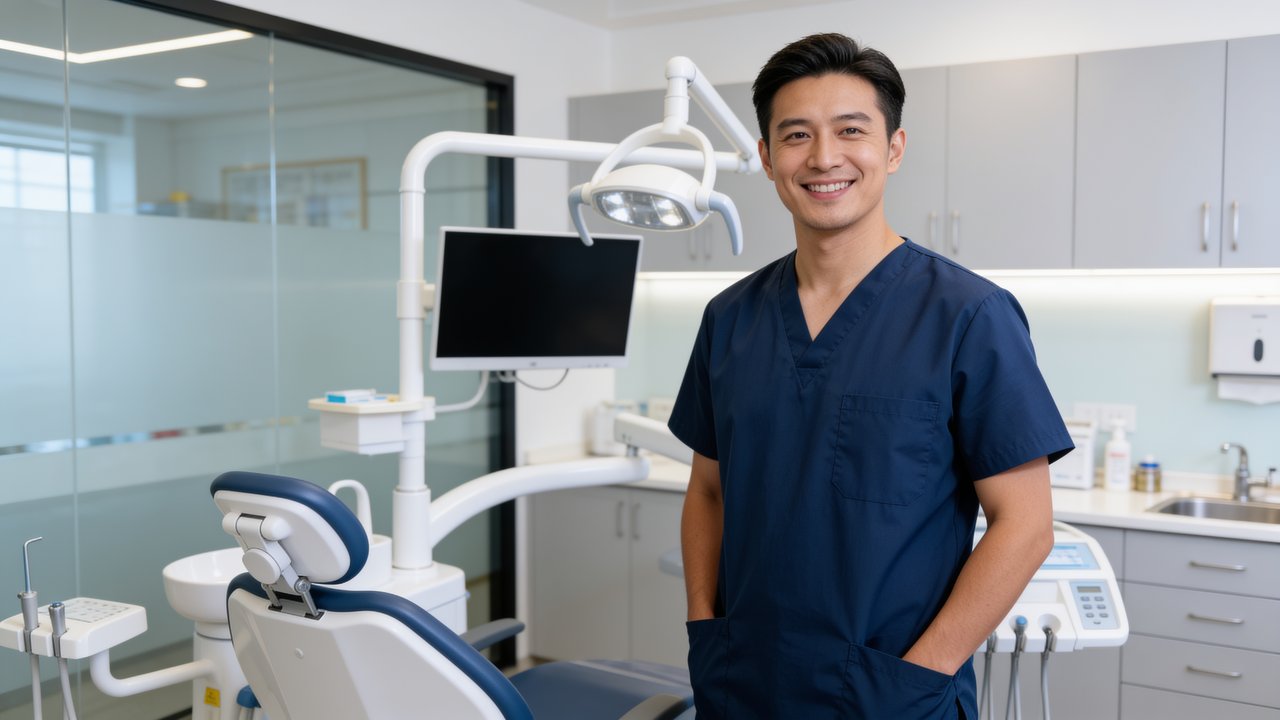
Running a dental practice means carrying a lot of expensive hardware while you wait weeks on insurance reimbursements. The good news: there is a funding product built for almost every piece of that puzzle. Below is how dentists actually finance gear, cash flow, and growth, and how working with a broker gets you matched to the funders whose guidelines you meet.
Equipment financing for the clinical gear that runs your practice
A dental office is one of the most equipment-heavy small businesses there is. Operatory chairs, CBCT and 3D imaging, CEREC mills, autoclaves and sterilization, intraoral scanners, and practice-management software all add up fast. Equipment financing exists for exactly this: the gear you are buying typically serves as the collateral, so you usually do not have to pledge other assets to get approved.
Because the asset secures the loan, this is often one of the more accessible ways to fund a practice, and it lets you spread the cost of a chair or imaging unit over the years it will actually be earning for you instead of draining your cash in one hit. When a new operatory or a CEREC upgrade is the goal, this is usually the first product to look at.
A line of credit for the insurance-reimbursement gap
Dentists do the work today and get paid by insurers weeks later. That timing gap is the single most common cash-flow headache in the chair, and it is what a business line of credit is built for. You draw what you need to cover payroll, supplies, and lab bills while reimbursements are in the pipeline, then pay it back down as claims clear, and you only carry a balance when you are actually using it.
Used this way, a line of credit is a flexible cushion rather than a one-time loan, which is why it fits the rhythm of a reimbursement-driven practice far better than a fixed lump sum. It is there for the slow weeks and stays out of your way during the busy ones.
Build-outs and practice acquisition: term loans and SBA
Opening a new location, gutting and rebuilding an operatory, or buying out a retiring dentist's practice are bigger, longer plays, and they call for longer money. A term loan gives you a fixed lump sum repaid over a set schedule, which suits a one-time build-out or expansion you can plan around.
For a practice acquisition or a major build, an SBA loan is often the cheapest long-term option, with longer repayment timelines that keep the monthly number manageable while you grow into the space. The tradeoff is more paperwork and a slower process, so it fits planned moves rather than anything urgent.
Why a broker fits a specialty practice like yours
Dentistry is a niche, and not every funder understands a balance sheet full of clinical equipment and pending insurance claims. The advertised range here runs from $5,000 to $2 million, and the right product for your practice depends on whether you are buying a chair, bridging reimbursements, or acquiring a practice outright. Rather than applying to funder after funder, you fill out one 2-minute application and we match you to the funders whose guidelines you meet.
From there you compare the strongest offers side by side and pick what fits, with no obligation. Checking your options won't affect your credit score, and the service is free to you as the applicant, so it costs nothing to see where a specialty practice like yours actually stands.
See what you qualify for
One 2-minute application is matched to the funders whose guidelines you meet. It's free, and checking your options won't affect your credit score.
See What I Qualify For →The bottom line: Whether you are buying a chair, bridging slow reimbursements, or acquiring a practice, there is a funding product that fits, and one short application gets you matched to the funders whose guidelines you meet.